Sony RX1R3, la recensione. Il minimalismo giapponese nella fotografia
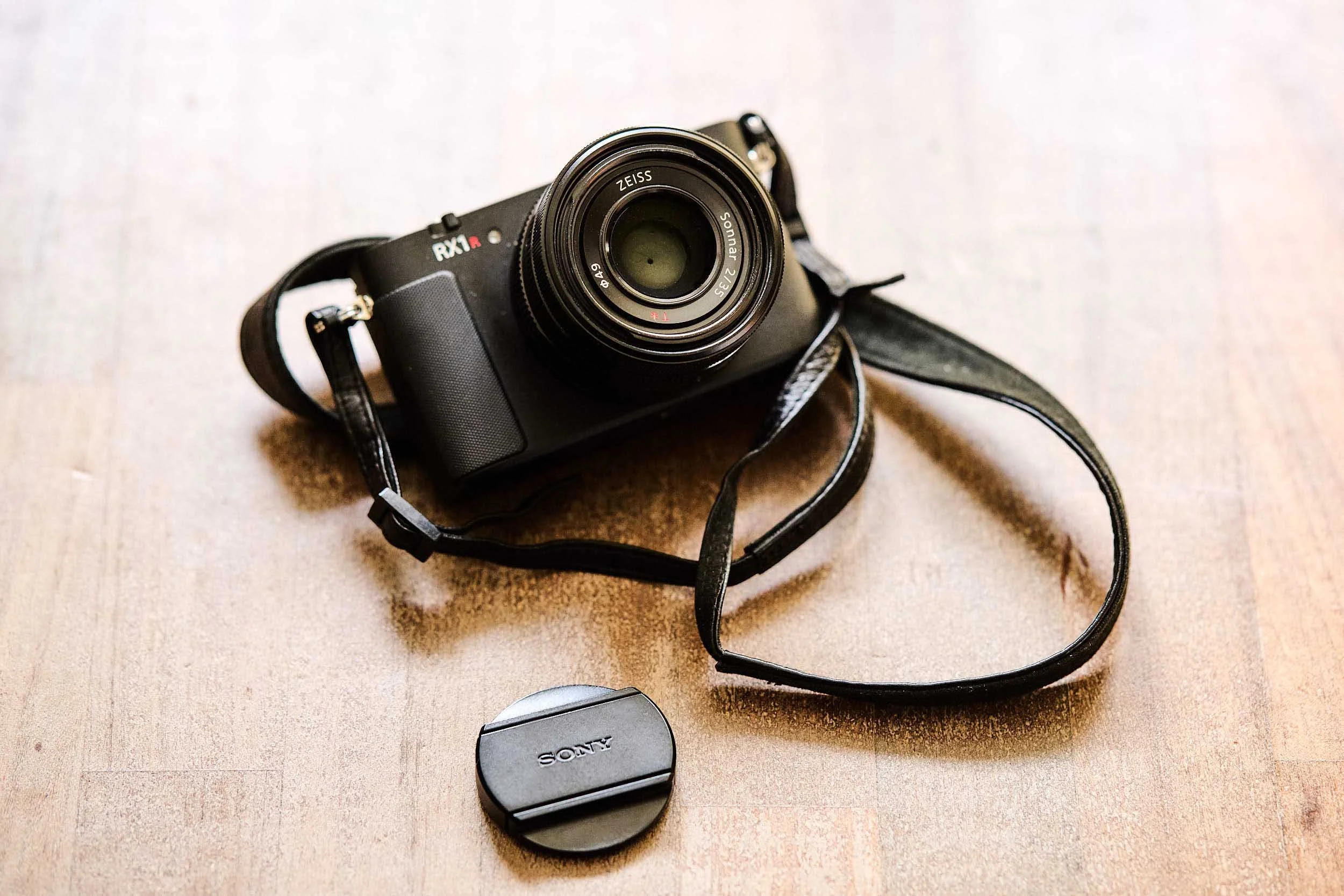
In breve – Per chi è e per chi non è
Per te se:
vuoi la massima qualità d’immagine possibile in un corpo compatto, discreto e full frame;
lavori molto in street, ritratto ambientato, reportage e apprezzi la macchina che “scompare” tra te e il soggetto;
ti piace il carattere del 35mm fisso, non vuoi cambiare ottiche e accetti un approccio minimalista, quasi “zen”.
non sei disposto a scendere a compromessi per la qualità del file, la discrezione e la sensazione\piacevolezza d’uso.
Non fa per te se:
vuoi versatilità di focali, zoom o più ottiche;
per te sono fondamentali: IBIS, display orientabile, mirino top di gamma.
hai bisogno di una macchina “tuttofare”.
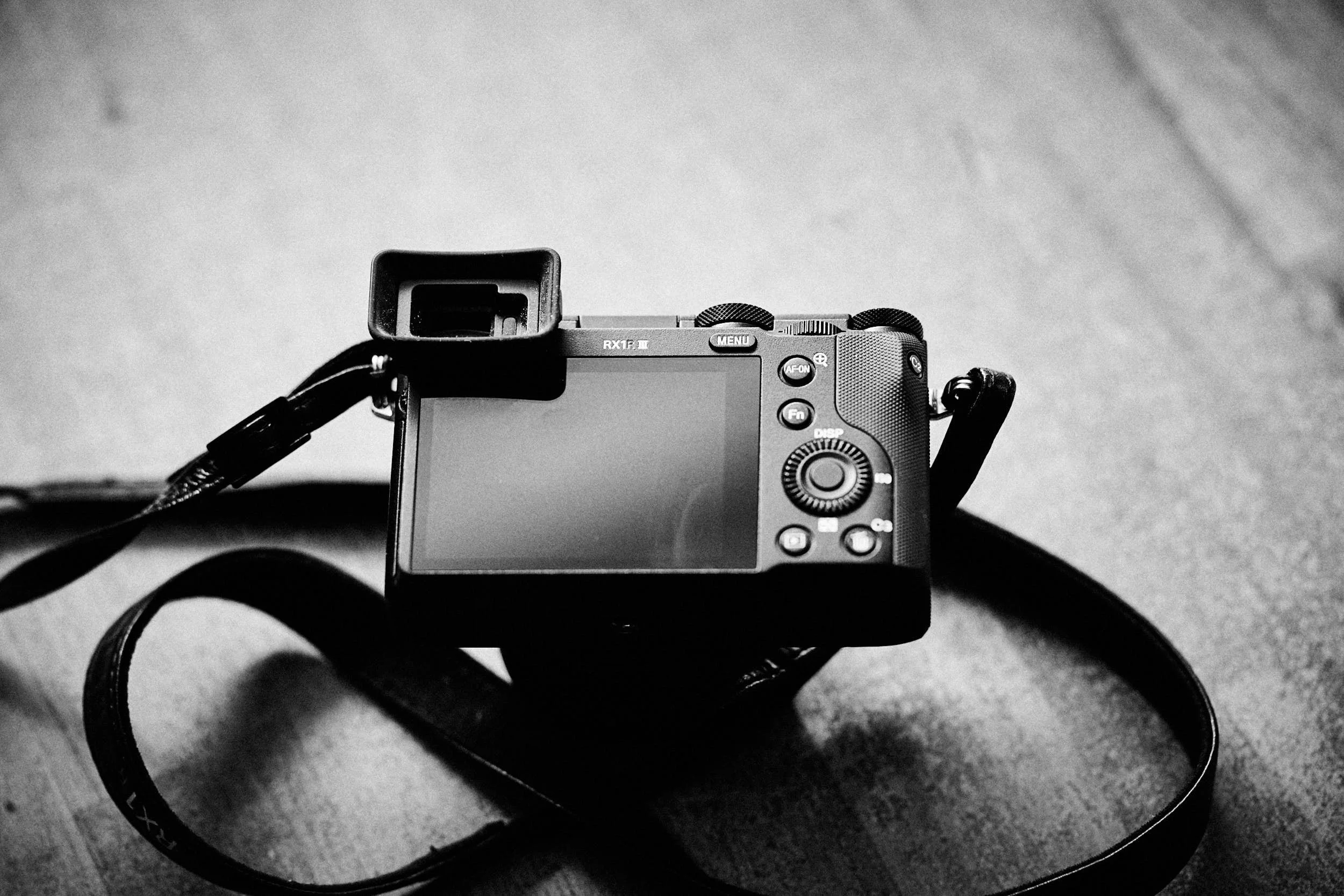
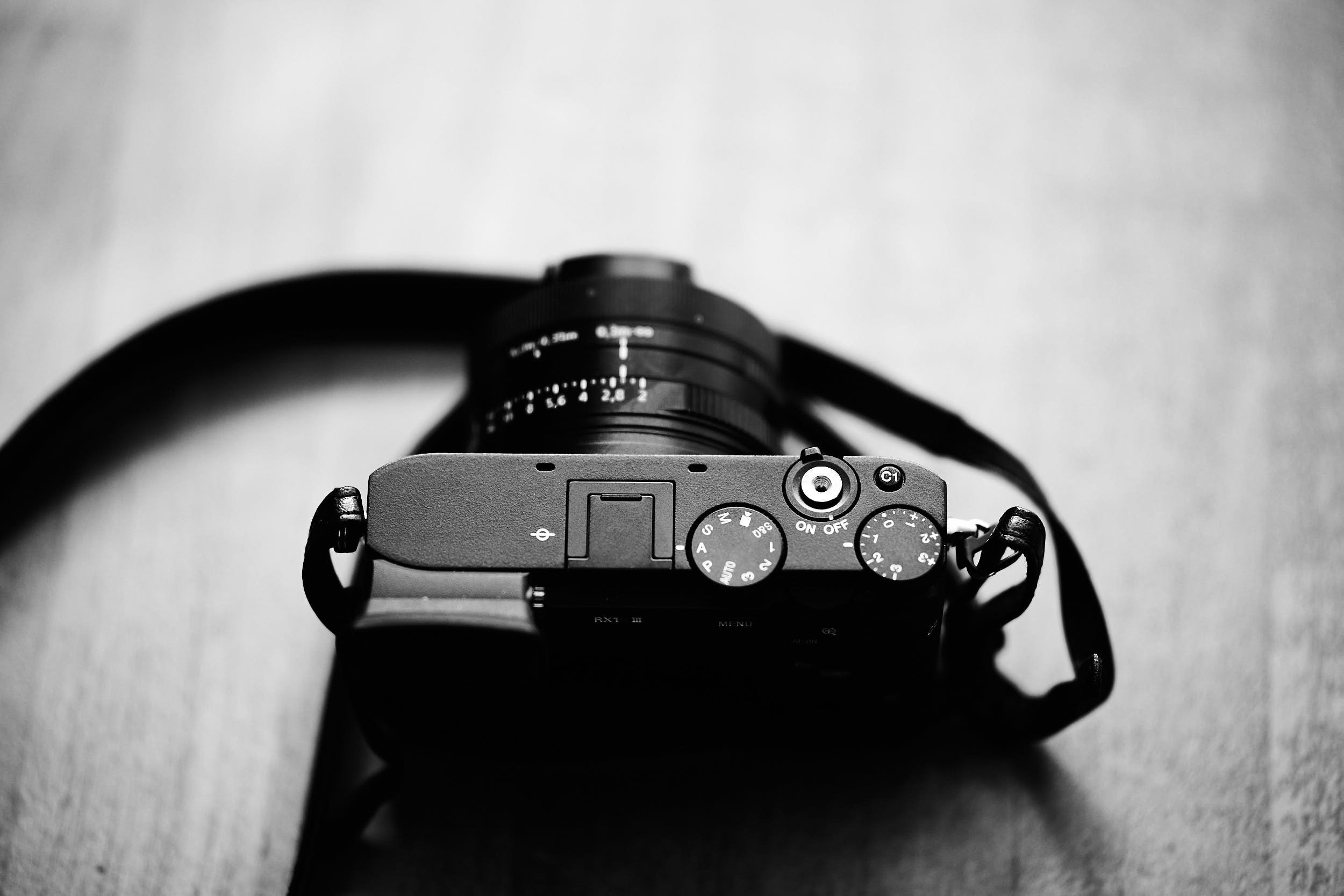
Storia della Sony RX1: dal 2012 alla RX1R3
Sono passati parecchi anni da quando uscì la prima Sony RX1: era il 12 settembre 2012.
Anche l’ultima iterazione prima della RX1R3 non è esattamente recente: il 14 ottobre 2015 venne presentata la RX1R II.
Poi, più nulla fino al 15 luglio 2025, data di presentazione della Sony RX1R3 (o RX1R Mark III, se preferite).
Quasi dieci anni di silenzio. Molti fotografi davano per morta la linea. Fortunatamente non era così.
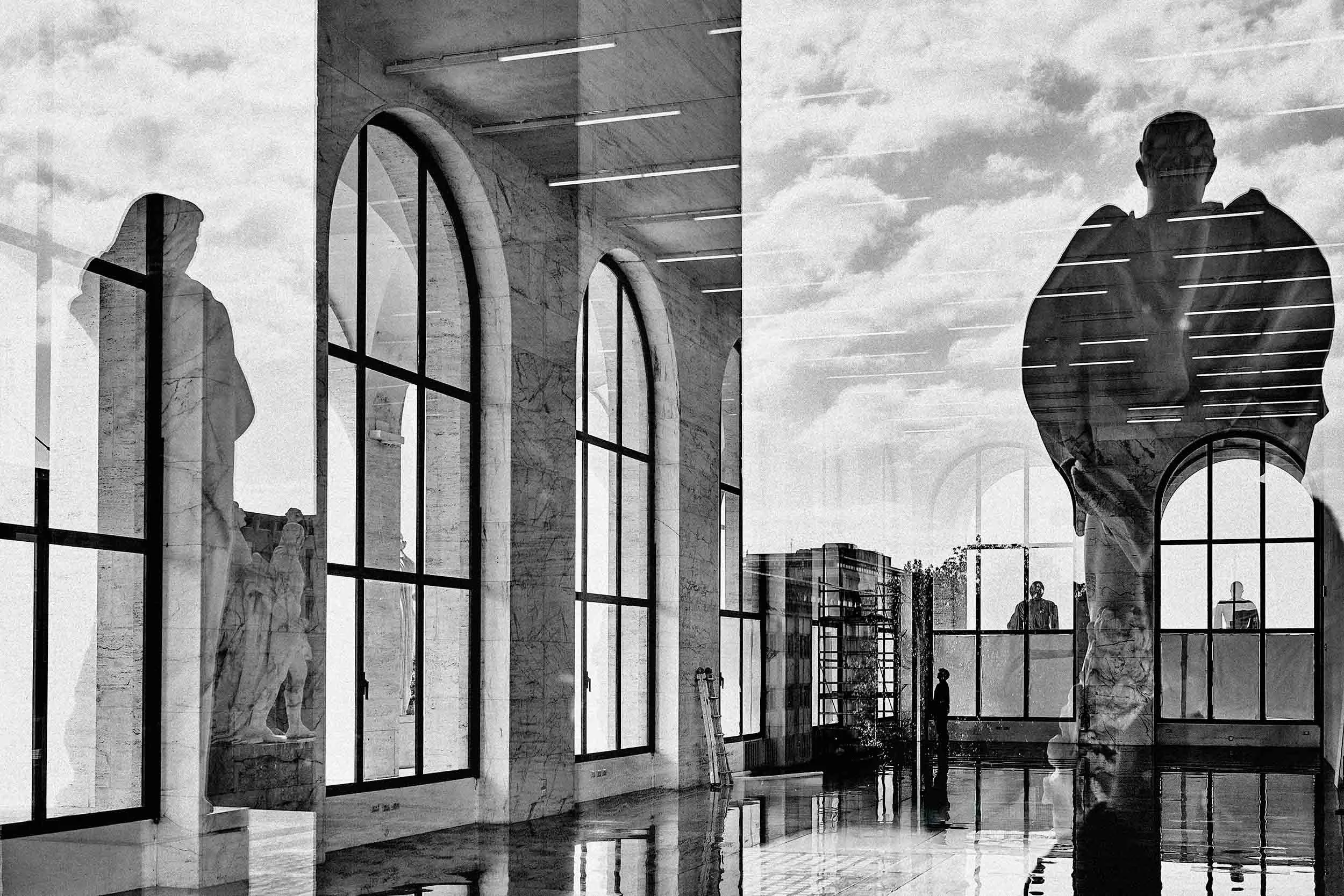
Palazzo Della Civiltà, Eur, Roma, 2025. I lavori in corso al piano terra incastonati in un’atmosfera onirica, grazie ai riflessi sulle vetrate. Questo rende evidente l’importanza di avere una macchina fotografica sempre con se.
——-
La filosofia della RX1R3: la complessità della semplicità
L’idea alla base della RX1R3 è semplice e radicale:
massima qualità d’immagine possibile, nel corpo macchina più compatto, leggero e trasportabile possibile.
La parola d’ordine è understatement.
A vederla, potrebbe sembrare una compatta qualsiasi, una di quelle che andavano per la maggiore fino a una decina d’anni fa. Nulla di più lontano dalla realtà.
Dentro ci sono:
uno Zeiss 35mm f/2 Sonnar, lo stesso schema visto sulle prime due RX1;
uno dei migliori sensori 24×36 mm oggi in circolazione:
il 61 MP di casa Sony, già visto su A7R V, Leica M11, ecc.
Questo sensore è straordinario per:
quantità di dettaglio risolto,
gamma dinamica,
resa ad alti ISO.
Malleabilità e lavorabilità dei file RAW.
L’unica macchina su cui “rende lievemente peggio” è la Leica M11, ma solo per una politica di riduzione del rumore estremamente aggressiva. Nota tecnica fondamentale: qualsiasi test va fatto a parità di ingrandimento, altrimenti i confronti sono falsati.
Eppure, al tempo stesso, è una macchina semplice:
una sola ottica fissa, non intercambiabile,
interfaccia lineare, pulita, senza fronzoli.
Sotto questa semplicità, però, c’è una macchina:
estremamente tecnologica,
veloce,
affilata e lineare,
molto efficace.
È un minimalismo diverso da quello teutonico della Leica Q3: quest’ultima ha menù più semplici, meno complicazioni che non siano strettamente indispensabili, ma anche meno tecnologia avanzata, meno velocità operativa, meno costanza e precisione dell’autofocus.
——-

Scattare a distanze così brevi senza disturbare il soggetto ripreso non è semplice. Sicuramente la parte fondamentale è saper lavorare in contro tempo e con i tempi giust di inserimento nella scena. Ma una macchina estremamente piccola, compatta e silenziosa aiuta moltissimo.
Specifiche, peso e dimensioni: confronto con Q3, X100VI, GFX100RF e Ricoh GR4
I numeri
Qui la RX1R3 mostra la sua ragion d’essere: compattezza e discrezione.
Sony RX1R3
113,3 × 67,9 × 87,5 mm
498 g con batteriaLeica Q3
130 × 80,3 × 92,6 mm
743 gFujifilm GFX100RF
133,5 × 90,4 × 76,5 mm
735 gFujifilm X100VI
128,0 × 74,8 × 55,3 mm521 g
Ricoh GR4
109,4 × 61,1 × 32,7 mm
262 g
La Ricoh GR4 è l’unica realmente molto più piccola e leggera della RX1R3. Ma:
sensore APS-C con risoluzione inferiore alla X100VI,
firmware non ancora stabilissimo (parliamo dei giorni dell’uscita),
lente f/2.8 relativamente buia,
totale assenza di mirino, cosa che per me rende l’acquisto impensabile.
La X100VI è più compatta solo in profondità, grazie all’ottica pancake, ma:
monta un sensore APS-C (circa metà area del full frame),
nel complesso è più vicina alla RX1R3 di quanto i numeri nudi farebbero pensare.
La GFX100RF è forse il caso più impressionante:
sensore medio formato da 102 MP a 16 bit per canale colore,
eppure pesi e dimensioni non sono lontani da quelli della Leica Q3.
La Q3, per essere una “compatta” full frame, è oggettivamente grande e pesante nel contesto delle concorrenti del 2025.
Cosa significano questi numeri sul campo
Quello che i freddi numeri non raccontano è l’impatto reale in street:
quanto una macchina è visibile.
quanto è discreta.
quanto è silenziosa.
quanto appare invasiva o meno per il soggetto.
Sotto questo profilo: la RX1R3 è quasi perfetta: corpo piccolo, nero, minimalista. La Leica Q3 è più “macchina fotografica” classica, più presente e visibile; Mentre la GFX100RF ha un’aura da medio formato serio, non passa inosservata. La Fuji X100 VI nella colorazione argento è particolarmente bella e appariscente. Attira un po’ gli sguardi e le attenzioni. Nera è decisamente più discreta. La Ricoh, invece, è discretissima e invisibile. Come la Sony RX1R3.
——-
Costruzione, finiture ed estetica
Sul piano delle finiture, Leica resta un riferimento:
materiali eccellenti.
assemblaggio impeccabile.
tropicalizzazione con certificazione IP52.
ghiere e comandi di altissimo livello.
Di contro:
il tappo si rovina facilmente.
la verniciatura è piuttosto delicata.
il display posteriore si graffia con una facilità eccessiva → pellicola protettiva obbligatoria.
La RX1R3 lavora su un’altra idea di qualità:
sulle prime due RX1 la verniciatura era probabilmente la migliore che abbia mai visto su una fotocamera, praticamente indistruttibile;
sulla Mark III si passa a una finitura opaca. Francamente non so dire ancora se sia allo stesso livello di resistenza, ma dopo una settimana intensa di uso l’impressione è ottima.
Non abbiamo dati ufficiali di tropicalizzazione. Con le prime due RX1 ho affrontato temporali seri senza problemi, e questo la dice lunga sulla qualità costruttiva. Ma manca una dichiarazione ufficiale sulla scheda tecnica.
Esteticamente, la RX1R3 è:
ultra minimalista
elegante
totalmente invisibile in strada.
E questo, in un certo tipo di fotografia, vale molto più di una macchina “bella da guardare”.
——-

——-
Il valore della discrezione NELLA street photography
Qui la Sony compie la sua magia.
AF e operatività
In strada, la RX1R3:
scompare letteralmente, un po’ come una Ricoh. Ma con una qualità d’immagine che rimane sorprendente in qualsiasi situazione, difficile o meno.
L’autofocus fa un salto enorme rispetto alle versioni precedenti, soprattutto:
in AF-C,
nel tracking 3D del soggetto,
nell’uso delle funzioni “intelligenti” (riconoscimento soggetti, volto, occhio, ecc.).
Rispetto alle migliori Sony a ottiche intercambiabili (che restano il riferimento assoluto), qualche errore in più c’è, ma la RX1R3 resta assolutamente costante, affidabile, rapida.
Direi, per questa categoria di macchine:
RX1R3 al vertice.
X100VI subito dietro,
Leica Q3 più lenta e meno “reattiva” sul soggetto. Specie in tracking e in AFC.
Invisibilità sul campo
In street si può essere invisibili:
con un approccio lento, contemplativo. Basato sulla presenza, sui movimenti in controtempo, etc.
oppure con uno molto veloce, reattivo.
Nei miei corsi di formazione lo spiego bene. La gestione dei tempi e dello spazio sono fondamentali.
La RX1R3 permette entrambi gli approcci.
è abbastanza piccola da essere dimenticata dal soggetto,
abbastanza veloce da non intralciare il gesto.
La Fuji X100VI, però, ha un vantaggio enorme:
il mirino ibrido
strumenti di fuoco manuale eccezionali, che la rendono una compagna perfetta per chi ama lavorare “a zone”.

Un esempio della grande reattività della Sony RX1R3. In un contesto molto difficile, come quello del Pantheon, sovraffollato, è assai complesso mettere ordine per una foto. Stando molto vicini, con un medio grandangolare come un 35 mm, con una macchina molto reattiva come la Sony RX1R3 è un buon metodo.
Mirino e display
Qui c’è una delle scelte più discutibili della RX1R3.
Mirino elettronico:
2,36 megapixel,
ingrandimento 0,70×,
resa sufficiente, ma nel 2025 ci si aspetterebbe di meglio. Migliorabile anche il coprioculare del mirino stesso che non riesce a evitare infiltrazioni di luce laterali.
Funziona, ma:
Fuji e Leica offrono mirini più raffinati, con più risoluzione, meglio integrati nell’esperienza complessiva.
Display posteriore:
3", 2,36 M punti,
ottima resa,
implementazione del touch molto riuscita.
Il touch permette:
spostamento rapido del punto AF,
richiamo di funzioni chiave,
gestione fluida del menù.
Data questa implementazione, l’assenza del joystick per lo spostamento del punto di messa a fuoco, non diventa un problema.
Nelle situazioni concitate, la possibilità di disattivare il touch in un attimo evita attivazioni accidentali.
La vera nota dolente è che il display è fisso.
nessuna possibilità di inclinazione,
nessun aiuto per scatti dal basso o dall’alto.
Per la street photography e ritratto ambientato è un limite reale.
———
Batteria, autonomia, raffica e buffer
Batteria e autonomia
La RX1R3 usa la “classica” Sony NP-FW50, una batteria che conosciamo da oltre dieci anni.
Rispetto alle prime RX1:
si passa da meno di 200 scatti reali a circa 350 scatti reali.
il salto è enorme nella pratica quotidiana.
Non è una campionessa assoluta (X100VI e GFX100RF fanno molto meglio), ma con un paio di batterie extra, ed un minimo di consapevolezza, si riesce a coprire tranquillamente una giornata intera di scatti.
Raffica e buffer
Raffica:
5 fps in continuo.
Buffer:
circa 120 JPEG Extra Fine,
circa 20 RAW compressi senza perdita,
prima che la macchina inizi a rallentare.
Nel contesto per cui è stata pensata (street, ritratto, reportage) è più che sufficiente.
———
L’ottica Zeiss 35mm f/2 Sonnar
In una macchina così radicale, a ottica fissa non intercambiabile, il 35 Sonnar è metà della storia.
Questo Zeiss 35mm f/2 Sonnar:
regge perfettamente i 61 MP del sensore,
ha un carattere netto, personale,
non è l’ennesima ottica moderna “perfettina” e asettica,
ha una sua pasta, una sua delicatezza nel modo di disegnare piani e fuori fuoco.
Come lunghezza focale, per una macchina a ottica fissa, secondo me nulla batte un 35mm (o un 40mm):
abbastanza ampio per la street.
abbastanza stretto per il ritratto ambientato.
perfetto per il quotidiano.
———

In strada e in ritratto: minimalismo giapponese e 侘寂 (wabi-sabi)
La gamma dinamica è da riferimento di categoria.
La qualità d’immagine è la più elevata tra le fotocamere 24×36 mm del suo segmento.
Ma questa è solo la parte “fredda” della storia. Quello che vi possono raccontare DXO o le analisi scientifiche del sensore e della lente accoppiata ad esso.
La parte davvero importante è la discrezione assoluta:
la macchina scompare tra le mani,
scompare in mezzo alla strada,
nonsi mette in mezzo tra fotografo e soggetto.
Linee pulite, comandi pochi ma ben spaziati, nessun orpello.
Su un corpo così minuscolo, è quasi un esercizio di calligrafia industriale.
Ne nasce un’esperienza d’uso: lineare, appagante, coerente con un’idea di minimalismo giapponese che ha molto di wabi-sabi. Tradotto: niente ostentazione, niente rumore visivo, solo il necessario, ben fatto.
In questo campo il confronto naturale è con la Leica Q3, simbolo del minimalismo tedesco.
Ma la Sony è:
molto più compatta,
meno invasiva,
infinitamente meno visibile in strada.
infinitamente più rapida ed efficace come AF e operativamente.
Le uniche vere concorrenti, dal punto di vista della filosofia, sono:
Fujifilm X100VI,
Ricoh GR (III/IV),
perché sono entrambe: più piccole, più leggere, più discrete della Leica.
La RX1R3, però, ha una qualità d’immagine superiore a tutte le compatte full frame, e una filosofia a metà strada:
più vicina a Leica per “spirito”,
più vicina a Fuji e Ricoh per discrezione e intenti d’uso.
Se volete la macchina più piccola, meno invasiva e più “trasparente” possibile sulla scena,
con la qualità d’immagine più alta possibile, questa è la vostra macchina. Niente ci arriva nemmeno vicino, a questa combinazione di fattori.
———
Pregi e difetti della Sony RX1R3
Pro
Qualità d’immagine elevatissima: la migliore tra le compatte full frame 24×36 mm.
AF affidabile e veloce, soprattutto in AF-C e tracking.
Interfaccia e comandi puliti, lineari, piacevoli: macchina pensata per chi fotografa.
35mm Zeiss di altissimo livello, con carattere.
Sensore da 61 MP semplicemente straordinario.
Gamma dinamica da riferimento.
RAW estremamente lavorabili.
JPEG di qualità molto alta.
Raffica e buffer adeguati al contesto d’uso.
Autonomia finalmente sufficiente per l’uso reale.
Otturatore centrale:
silenziosissimo,
affidabile e duraturo,
sincronizzazione flash a qualsiasi tempo di scatto.
Estetica ultra minimalista: elegante, discreta, passa completamente inosservata.
Prime simulazioni “tipo pellicola” in casa Sony interessanti (da ampliare, ma buona base).
Contro
Assenza di stabilizzazione sul sensore (niente IBIS).
Mirino solo “onesto”, inferiore a Leica e sopratutto a Fuji.
Display fisso, non orientabile.
Ergonomia migliorabile con un thumb grip aggiuntivo (ma dipende alle mani del fotografo )
Nessuna tropicalizzazione dichiarata.
Dotazione povera:
niente caricabatterie esterno,
una sola batteria in confezione.
Prezzo elevato, ma sensato nel contesto delle compatte premium.
————
Confronto diretto: RX1R3 vs X100VI vs Leica Q3 28/43 vs GFX100RF
Se guardiamo solo a: qualità d’immagine massima e compattezza complessiva corpo e ottica, la RX1R3 è la vincitrice.
Ma il discorso diventa più interessante quando ragioniamo in termini di equilibri complessivi.
Fujifilm GFX100RF: la tentazione del medio formato
Qualità d’immagine ancora superiore:
sensore medio formato da 102 MP,
16 bit per canale colore,
ottica dedicata di grande livello.
AF preciso, costante e veloce. Davvero sorprendente per una medio formato digitale. Estremamente efficaci anche le modalità di riconoscimento del soggetto.
Pesa e ingombra però sensibilmente più della Sony, pur restando vicino alla Q3.
Anche lei è priva di stabilizzatore sul sensore, ma ha un otturatore centrale: si scatta con pochissime vibrazioni.
Autonomia:
da riferimento assoluto: superare i 1500 scatti reali con una batteria non è difficile.
In più:
unico modello di questa “famiglia allargata” con doppio slot SD.
Leica Q3 28 e Q3 43: minimalismo tedesco
Prezzo sensibilmente più alto:
entrambe le versioni costano più della medio formato Fuji e della Sony.
Ottiche eccellenti:
rendering molto bello, ma con una distorsione nativa importante, particolarmente estrema a 28mm (di fatto si parte da qualcosa di molto vicino a un 24mm fortemente corretto via software).
Peso e dimensioni “non da compatta”:
in strada sono più vistose e invasive di Sony, Fuji e Ricoh.
Mirino e display decisamente migliori di quelli della Sony:
display orientabile,
mirino complessivamente più gradevole,
qualche calo di risoluzione in AF-C/raffica, ma nulla di drammatico.
Ghiera di messa a fuoco manuale tra le migliori sul mercato.
Tropicalizzazione spinta, certificata con standard IP52, tra i punti di forza.
Fujifilm X100VI: l’equilibrio totale
La X100VI è probabilmente la più equilibrata del gruppo.
Mirino ibrido unico al mondo (ottico + elettronico).
Dimensioni paragonabili alla RX1R3.
Display orientabile in asse con la fotocamera.
Comandi classici (tempi, diaframma) e moderni (ghiere personalizzabili) insieme.
Autonomia di oltre 450 scatti a batteria.
Raffica da 11 fps con buffer ampio.
Stabilizzatore efficacissimo, fino a 6 stop.
AF finalmente al livello delle migliori concorrenti in AF-C e tracking.
Tropicalizzazione (con filtro frontale).
Strumenti di fuoco manuale unici:
ingrandimento digitale nel mirino ottico, che permette di controllare la messa a fuoco senza mai perdere la vista d’insieme del fotogramma.
La qualità d’immagine è inferiore rispetto a Sony e Leica, ma:
la differenza non è drammatica,
diventa evidente solo in contesti davvero estremi.
In cambio, offre un equilibrio complessivo che, per molti fotografi, potrebbe essere più sensato.
————
Conclusione
Spero si sia capito come la meravigliosa Sony RX1R3, di fatto, non sia direttamente paragonabile a nessun’altra macchina sul mercato. Si inserisce in una nicchia specialistica tutta sua. Dove non si accettano compromessi sulla qualità d’immagine, su pesi e dimensioni estremamente ridotti, su una discrezione assoluta. Tecnologia AF con AI molto avanzata, tracking 3D efficacissimo, unito ad una linearità e ad un approccio minimalistico assai diverso da quello tedesco. Minimalismo giapponese, appunto. Elegantissimo e straordinariamente efficace.


I







Non dimenticatevi di iscrivervi alla nostra newsletter, poco più sotto.
E ora, una piccola precisazione.Come funzionano le recensioni su unperfect01 e Studio NOVE100
Le recensioni che trovate su unperfect01 nascono da anni di pratica professionale e di studio, non dall’hype o dalla ricerca di click facili. Non ci interessano le recensioni “fighette”: ci interessa la SOSTANZA.
Non facciamo affermazioni perentorie su cose che non conosciamo bene o che non abbiamo davvero messo alla prova. Un esempio concreto: alcune dichiarazioni sui presunti “danni” causati dalla compressione dei RAW su questa macchina, la RX1R3, sono semplicemente tecnicamente sbagliate. La compressione RAW con perdita della RX1R3 segue la stessa filosofia già vista da anni sugli altri corpi Sony: gli eventuali effetti si manifestano solo in situazioni estreme, soprattutto nelle ombre molto spinte, non certo come un “danno” generalizzato al file. La vera novità qui è semmai la possibilità di usare il RAW lossless o uncompressed per chi vuole eliminare del tutto la questione.
Lo stesso tipo di fraintendimento tecnico si vede quando il 35mm f/2 Zeiss Sonnar viene liquidato come se fosse “nettamente inferiore” al Summilux della Leica Q3-28. L’ottica della Q3 è, in pratica, un 24–25mm con una distorsione nativa molto marcata che viene corretta via software per restituire un angolo di campo da 28mm. Il Sonnar Zeiss, al contrario, è un 35mm realmente ben corretto già sul piano ottico, prima ancora degli interventi software.
Entrambi i progetti, in termini di concezione, hanno circa dieci anni. Questo di per sé non è un difetto: ciò che conta è come rendono, come si comportano sul sensore e come si inseriscono in un flusso di lavoro reale. Ridurre tutto a “vecchio vs nuovo” o “buono vs cattivo” può suonare divertente in video, ma ha poco a che fare con il modo in cui questi strumenti lavorano davvero nelle mani di un fotografo.
Non è una questione di simpatie o antipatie: è una questione di saper capire come funzionano gli strumenti sul campo. E questo può farlo solo un fotografo.
