Street Photography: The Structure of the Project
A framework, a method to take your street photography to the next level.
You should start reading the outline from the MIDDLE of the article, specifically from the section titled “Street Photography.” At the top, you’ll find the various steps involved, and at the bottom, the different ways to structure your work.
Finalization of the project. Print publication; distribution via social media channels, websites, industry blogs, newspapers, art galleries, or—if the project’s subject matter called for it—foundations and associations.
||
The shot. The decisive moment, aesthetics, the pursuit of light, editing, comparison, selection.
||
Research and Concept. Key Areas and Methodology. Theme, ideas, concept analysis, context analysis, outline, written text, mood board, ethical analysis.
||
Project Structure
||
Street Photography
||
Potential areas for project development.
||
Journalistic \ Documentary. News reporting, social analysis, analysis of situations of varying complexity, events.
Minimal post-production that remains as true to reality as possible.
In contrast to
Evocative \ Poetic \ Aesthetic \ Captivating.
Inspiration, cinematic or other atmospheres.
More freedom and creativity in post-production. But without resorting to extreme manipulation—otherwise, it’s no longer photography. Remember that photography has two main elements: light and reality. If even one of these elements is missing, it’s no longer photography.
||
In the case of the interpretive-artistic approach, obviously, the primary outlets for subsequent publication will differ from those of a documentary or journalistic approach. In the former case, we will seek to engage galleries, art blogs and magazines, gallery owners, critics, and art journals. We will also consider potential exhibitions in museums or venues relevant to the theme. In the second case, the journalistic-documentary approach, we will certainly target newspapers, news blogs, and magazines. In this case, the criteria must align as closely as possible with journalistic standards. Credibility, reliability, and verification of sources are indispensable. We must ensure that the original RAW files are retained for any third-party verification. From this perspective, the new C2PA protocol—already supported by several manufacturers—is particularly interesting, as it provides confirmation that the content has not been altered by AI systems or sophisticated programs like Photoshop.
||
These areas of development serve as the starting point for defining one’s own visual language. Exploring these boundaries and building a solid visual identity are at the heart of my mentorship programs.

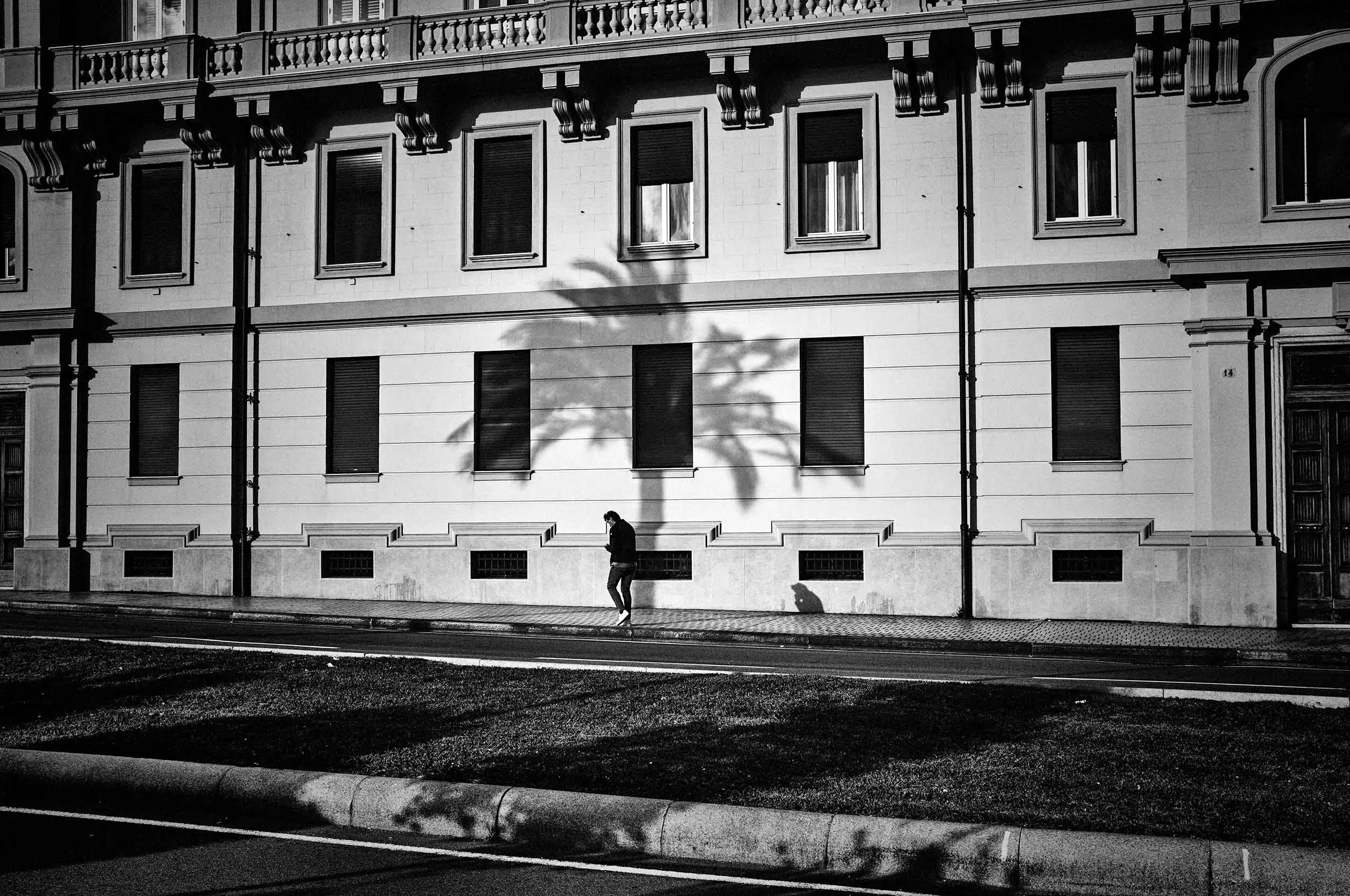
Here are two examples of street photography that straddle the line between artistic expression and documentary photography. Keep in mind that the boundaries between these genres are always blurred and undefined, and the influences are endless. However, remember that you need to strike a very delicate balance between these various aspects within a cohesive project.