Sony RX1R3: The Review. Japanese Minimalism in Photography
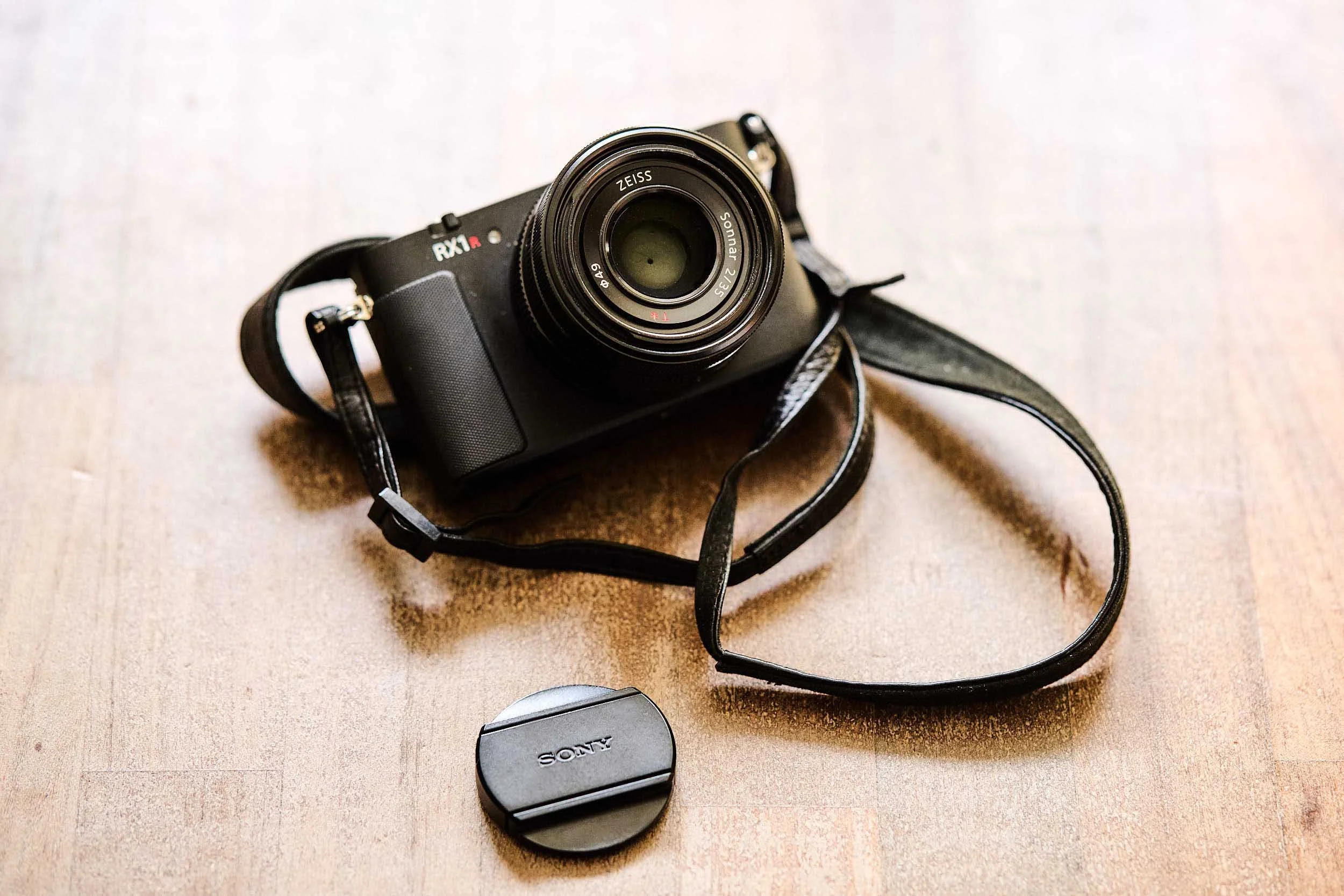
In short – Who it’s for and who it’s not for
This is for you if:
Do you want the best possible image quality in a compact, unobtrusive full-frame camera?
You work a lot in street photography, environmental portraits, and photojournalism, and you appreciate a camera that “disappears” between you and your subject;
You like the character of a 35mm prime lens, you don't want to change lenses, and you're open to a minimalist, almost "Zen"-like approach.
you’re not willing to compromise on file quality, discretion, and user experience.
This isn't for you if:
Do you want a variety of focal lengths, a zoom lens, or multiple lenses?
The following features are essential for you: IBIS, a tilting display, and a top-of-the-line viewfinder.
You need a “jack-of-all-trades” car.
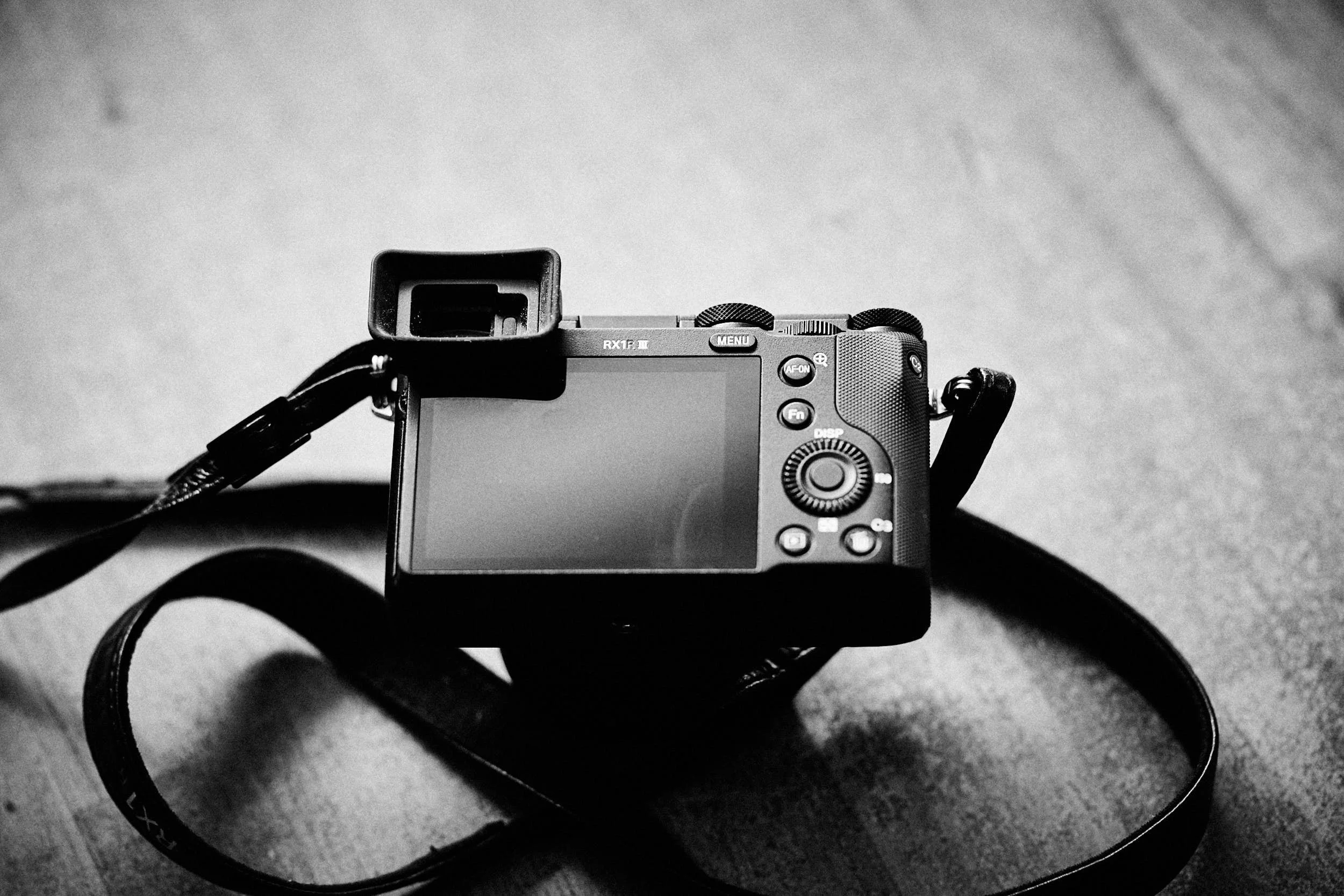
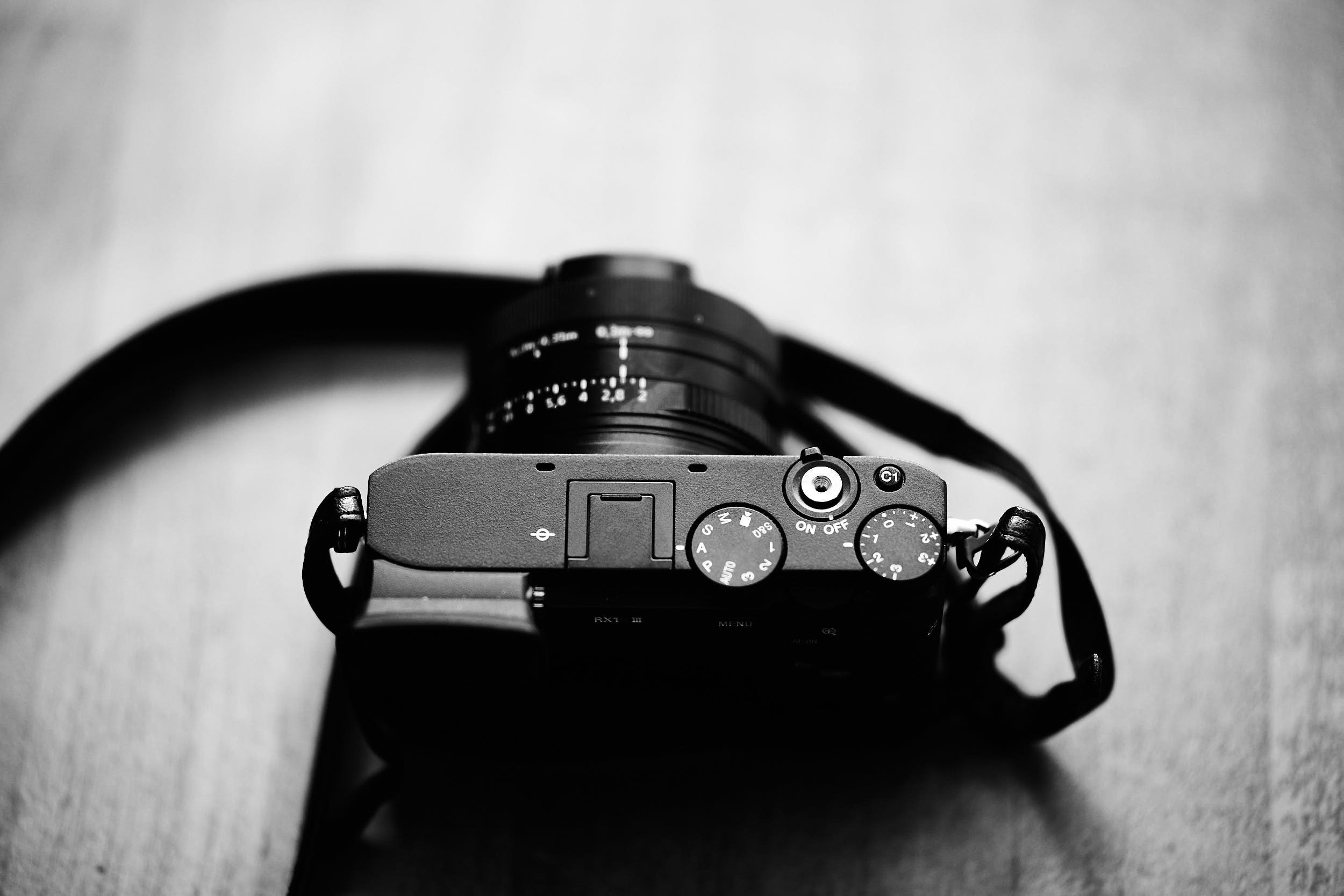
The History of the Sony RX1: From 2012 to the RX1R3
It’s been quite a few years since the first Sony RX1 was released: it was September 12, 2012.
The model that preceded the RX1R3 isn’t exactly recent either: the RX1R II was unveiled on October 14, 2015.
Then, nothing until July 15, 2025, when the Sony RX1R3 (or RX1R Mark III, if you prefer) is set to be unveiled.
Almost ten years of silence. Many photographers had written the line off as dead. Fortunately, that wasn't the case.
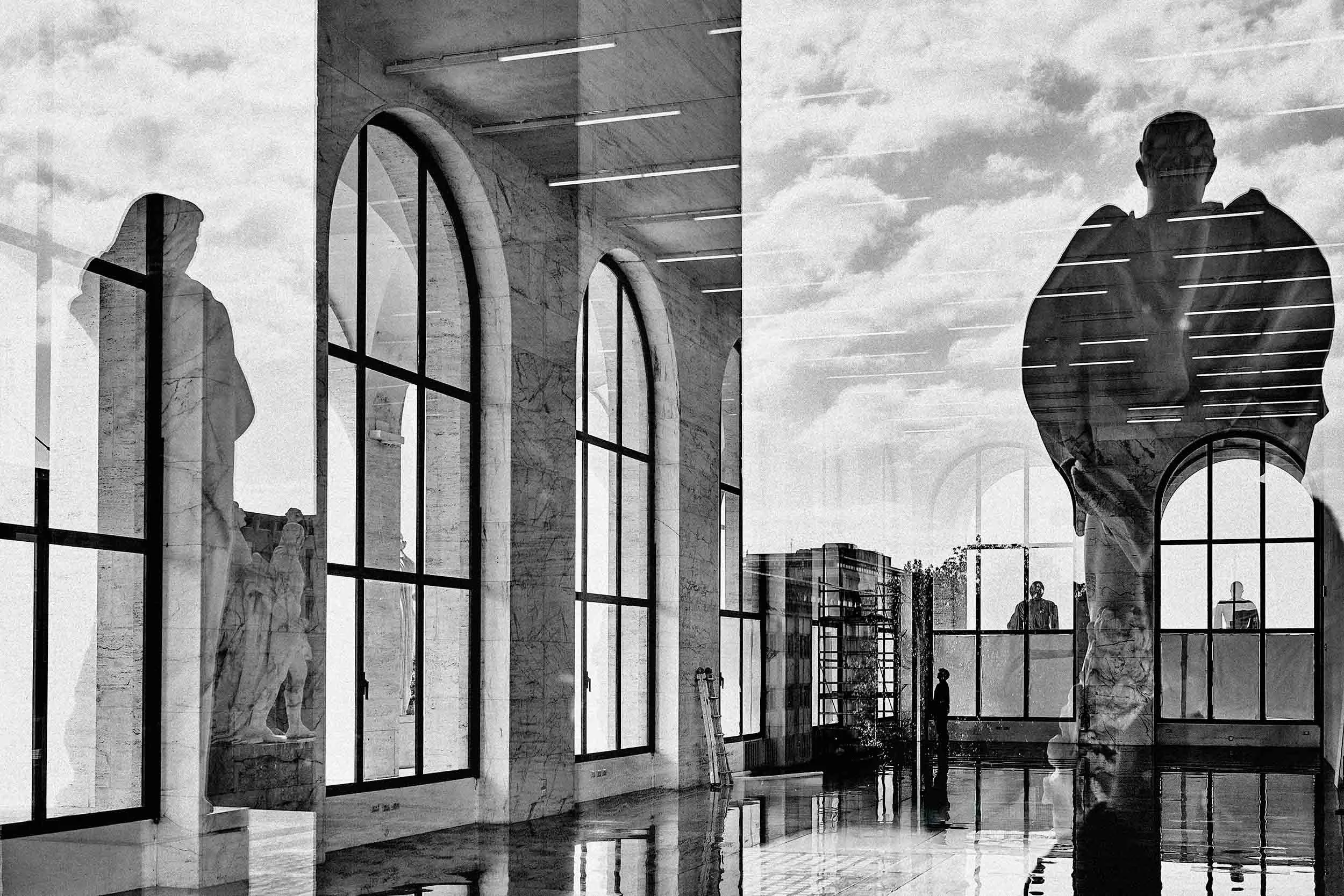
Palazzo della Civiltà, EUR, Rome, 2025. Construction work is underway on the ground floor, set against a dreamlike backdrop created by the reflections on the windows. This highlights the importance of always having a camera on hand.
——-
The philosophy behind the RX1R3: the complexity of simplicity
The concept behind the RX1R3 is simple and radical:
the highest possible image quality, in the most compact, lightweight, and portable camera body possible.
The key word is understatement.
At first glance, it might look like just any other compact car—the kind that was all the rage about ten years ago. Nothing could be further from the truth.
Inside are:
a Zeiss 35mm f/2 Sonnar, the same design found on the first two RX1 models;
one of the best 24×36 mm sensors available today:
Sony's 61-megapixel sensor, previously seen in the A7R V, Leica M11, etc.
This sensor is great for:
quantity of the resolved detail,
dynamic range,
High ISO performance.
Flexibility and editability of RAW files.
The only camera on which it “performs slightly worse” is the Leica M11, but only because of its extremely aggressive noise reduction settings. Important technical note: all tests must be conducted at the same magnification; otherwise, the comparisons will be skewed.
And yet, at the same time, it is a simple machine:
a single, non-interchangeable fixed lens,
A simple, clean, no-frills interface.
Beneath this simplicity, however, lies a machine:
highly technological,
quick,
sharp and clean-cut,
very effective.
It’s a different kind of minimalism from the Leica Q3’s Germanic approach: the latter has simpler menus and fewer unnecessary complications, but it also lacks advanced technology, operating speed, and the consistency and precision of the autofocus.
——-

Taking photos at such close range without disturbing the subject isn't easy. The key is definitely knowing how to work in sync with the action and time your entry into the scene just right. But an extremely small, compact, and quiet camera helps a great deal.
Specifications, weight, and dimensions: comparison with the Q3, X100VI, GFX100RF, and Ricoh GR4
The Numbers
Here, the RX1R3 truly comes into its own: compact and unobtrusive.
Sony RX1R3
: 113.3 × 67.9 × 87.5 mm
: 498 g with batteryLeica Q3
: 130 × 80.3 × 92.6 mm
: 743 gFujifilm GFX100RF
: 133.5 × 90.4 × 76.5 mm
: 735 gFujifilm X100VI
: 128.0 × 74.8 × 55.3 mm521 g
Ricoh GR4
: 109.4 × 61.1 × 32.7 mm
: 262 g
The Ricoh GR4 is the only one that is actually much smaller and lighter than the RX1R3. But:
APS-C sensor with a lower resolution than the X100VI,
the firmware isn't quite stable yet (we're talking about the days right after release),
a relatively slow f/2.8 lens,
The complete lack of a viewfinder, which makes buying this camera unthinkable for me.
The X100VI is more compact only in terms of depth, thanks to its pancake lens, but:
it features an APS-C sensor (about half the size of a full-frame sensor),
Overall, it’s closer to the RX1R3 than the raw specs might suggest.
The GFX100RF is perhaps the most impressive example:
a 102-megapixel medium-format sensor with 16 bits per color channel,
Yet its weight and dimensions are not far off from those of the Leica Q3.
The Q3, for a full-frame “compact” camera, is objectively large and heavy compared to its competitors in 2025.
What do these numbers mean on the field?
What the cold, hard numbers don't show is the real impact on the streets:
how visible a car is.
how discreet it is.
how quiet it is.
how intrusive or non-intrusive it appears to the subject.
From this perspective, the RX1R3 is nearly perfect: a small, black, minimalist body. The Leica Q3 is a more classic “camera,” more prominent and noticeable; while the GFX100RF has the aura of a serious medium-format camera—it certainly doesn’t go unnoticed. The silver Fuji X100 VI is particularly beautiful and eye-catching. It draws quite a few glances and attention. In black, it’s decidedly more discreet. The Ricoh, on the other hand, is extremely discreet and almost invisible. Just like the Sony RX1R3.
——-
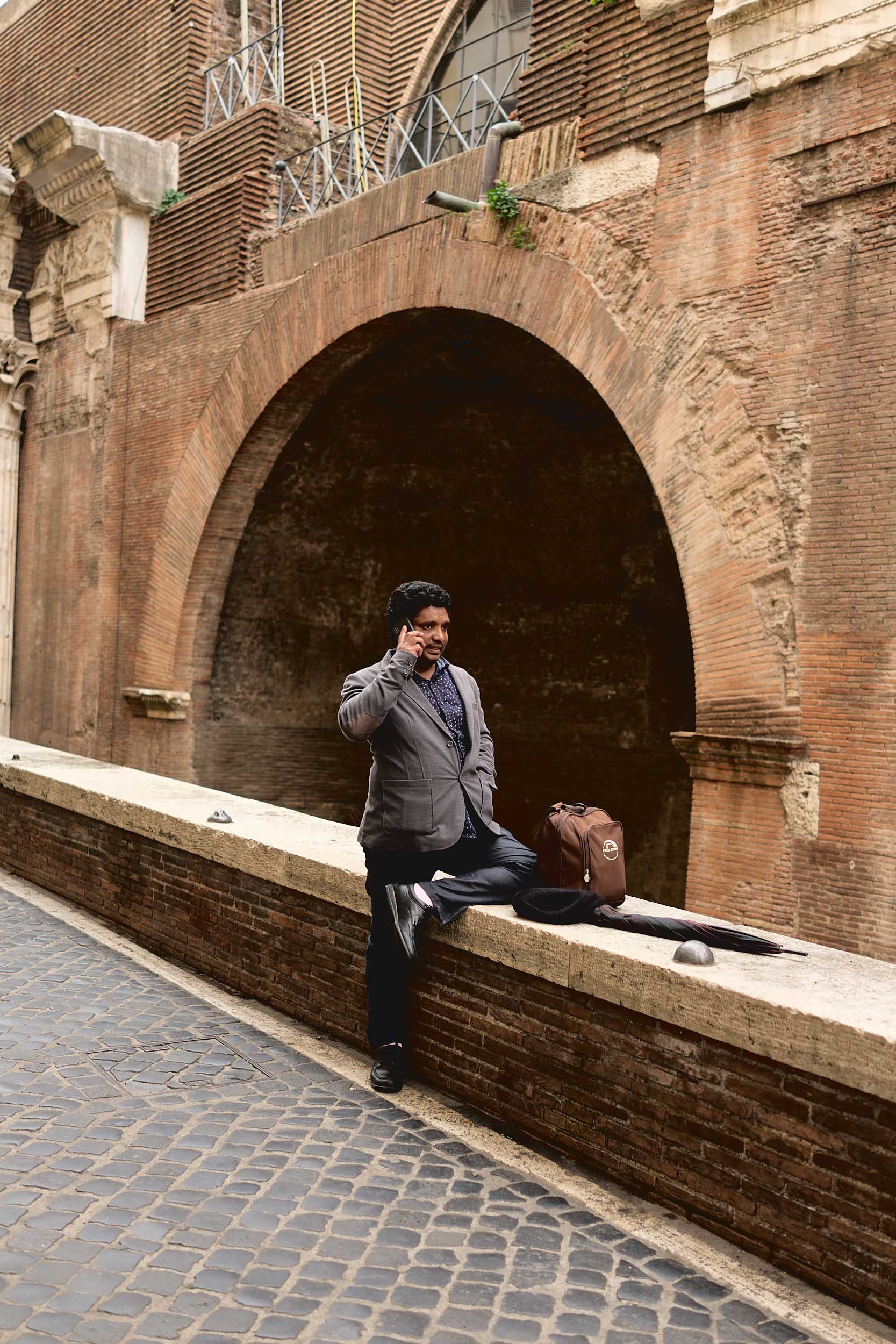
Construction, finishes, and aesthetics
When it comes to craftsmanship, Leica remains the gold standard:
top-quality materials.
flawless assembly.
Tropicalized with IP52 certification.
top-of-the-line knobs and controls.
On the other hand:
The cap breaks easily.
The paint job is quite delicate.
The rear display scratches far too easily → a screen protector is a must.
The RX1R3 takes a different approach to quality:
The finish on the first two RX1 models was probably the best I've ever seen on a camera—practically indestructible;
The Mark III now features a matte finish. To be honest, I can’t say yet whether it’s just as durable, but after a week of heavy use, it looks great.
We don't have any official data on its tropicalization. I've weathered some serious storms with the first two RX1 models without any issues, which speaks volumes about their build quality. However, there is no official statement on the spec sheet.
In terms of design, the RX1R3 is:
ultra-minimalist
elegant
completely invisible on the street.
And in a certain type of photography, this is worth far more than a camera that’s “pleasing to the eye.”
——-

——-
The Value of Discretion in Street Photography
This is where Sony works its magic.
AF and operations
On the road, the RX1R3:
It literally disappears, much like a Ricoh. But its image quality remains impressive in any situation, whether challenging or not.
The autofocus is a huge improvement over previous versions, especially:
in AF-C,
in 3D tracking of the subject,
when using "smart" features (subject, face, and eye recognition, etc.).
Compared to Sony’s top interchangeable-lens cameras (which remain the gold standard), there are a few more flaws, but the RX1R3 remains consistently reliable and fast.
I would say, for this category of machines:
The RX1R3 at the top.
The X100VI right behind it,
The Leica Q3 is slower and less responsive when tracking subjects, especially in tracking mode and with autofocus.
Invisibility on the field
On the street, you can be invisible:
with a slow, contemplative approach. Based on presence, off-beat movements, etc.
or one that’s very fast and responsive.
I explain this clearly in my training courses. Time and space management are essential.
The RX1R3 supports both approaches.
it is small enough to be overlooked by the subject,
fast enough not to get in the way.
The Fuji X100VI, however, has a huge advantage:
the hybrid viewfinder
exceptional hand-held torches, making it the perfect companion for those who like to work in “zones.”

An example of the Sony RX1R3’s exceptional responsiveness. In a very challenging setting, such as the crowded Pantheon, it’s quite difficult to frame a shot. Standing very close to the subject, using a medium-wide-angle lens like a 35mm, and with a highly responsive camera like the Sony RX1R3 is a good approach.
Viewfinder and display
Here is one of the most controversial choices made with the RX1R3.
Electronic viewfinder:
2.36 megapixels,
0.70× magnification,
It's adequate, but we'd expect better by 2025. The viewfinder's eyecup could also be improved, as it doesn't prevent light from entering from the sides.
It works, but:
Fuji and Leica offer more sophisticated viewfinders with higher resolution that are better integrated into the overall experience.
Rear display:
3", 2.36 million pixels,
excellent performance,
A very successful implementation of touch functionality.
The touchscreen allows you to:
quick AF point shift,
calling key functions,
Smooth menu navigation.
With this implementation, the lack of a joystick for moving the focus point is no longer an issue.
In hectic situations, the ability to disable touch control instantly prevents accidental activations.
The real downside is that the display is fixed.
no tilt option,
No assistance for shots taken from below or above.
For street photography and staged portraits, this is a real limitation.
———
Battery, battery life, burst mode, and buffer
Battery and battery life
The RX1R3 uses the “classic” Sony NP-FW50, a battery we’ve been familiar with for over ten years.
Compared to the first RX1 models:
The number of actual shots increases from fewer than 200 to about 350.
The difference is enormous in everyday practice.
It’s not the absolute best (the X100VI and GFX100RF perform much better), but with a couple of extra batteries and a little bit of planning, you can easily cover a full day of shooting.
Burst and buffer
Burst:
5 frames per second in continuous mode.
Buffer:
about 120 Extra Fine JPEGs,
about 20 lossless compressed RAW files,
before the camera starts to slow down.
For the purposes it was designed for (street photography, portraits, photojournalism), it’s more than enough.
———
The Zeiss 35mm f/2 Sonnar lens
In such a radical camera, with a fixed, non-interchangeable lens, the 35mm Sonnar is half the story.
This Zeiss 35mm f/2 Sonnar:
it handles the sensor's 61 MP perfectly,
has a distinct, personal style,
it’s not just another “perfect” and sterile modern design,
It has its own unique style, a delicate touch in the way it renders planes and out-of-focus areas.
When it comes to focal length, for a fixed-lens camera, I think nothing beats a 35mm (or a 40mm):
wide enough for street riding.
narrow enough for a candid portrait.
perfect for everyday use.
———

On the Street and in Portraits: Japanese Minimalism andWabi-Sabi
Its dynamic range sets the standard for its class.
It delivers the highest image quality among 24×36 mm cameras in its segment.
But that’s just the “technical” side of the story. That’s what DXO or scientific analyses of the sensor and its lens can tell you.
The most important thing is absolute discretion:
the machine vanishes in my hands,
disappears right in the middle of the street,
He doesn't stand between the photographer and the subject.
Clean lines, few but well-spaced controls, no frills.
On such a tiny body, it’s almost an exercise in industrial calligraphy.
The result is a user experience that is straightforward, satisfying, and consistent with a vision of Japanese minimalism that embodies the spirit of wabi-sabi. In other words: no ostentation, no visual clutter, just the essentials, done well.
In this category, the natural comparison is with the Leica Q3, the epitome of German minimalism.
But the Sony is:
much more compact,
less invasive,
far less visible on the street.
infinitely faster and more effective in terms of autofocus and overall performance.
The only real competitors, from a philosophical standpoint, are:
Fujifilm X100VI,
Ricoh GR (III/IV),
because they are both smaller, lighter, and more discreet than the Leica.
The RX1R3, however, offers superior image quality compared to all other full-frame compact cameras, and takes a middle-of-the-road approach:
closer to Leica in "spirit,"
more similar to Fuji and Ricoh in terms of discretion and intended use.
If you want the smallest, least intrusive, and most “invisible” camera possible on set—
—with the highest possible image quality, this is the camera for you. Nothing else even comes close to this combination of features.
———
Pros and Cons of the Sony RX1R3
Pros
Exceptional image quality: the best among 24×36 mm full-frame compact cameras.
Reliable and fast autofocus, especially in AF-C and tracking modes.
A clean, intuitive, and user-friendly interface and controls: a camera designed for photographers.
A top-of-the-line 35mm Zeiss lens with character.
A simply extraordinary 61 MP sensor.
Reference dynamic range.
Extremely workable RAW files.
Very high-quality JPEG.
Burst rates and buffers appropriate for the application context.
Finally, enough battery life for real-world use.
Central shutter:
extremely quiet,
reliable and durable,
Flash synchronization at any shutter speed.
Ultra-minimalist design: elegant, understated, and completely unobtrusive.
Sony's first "film-like" simulations are promising (they need further development, but they're a good starting point).
Against
No image stabilization on the sensor (no IBIS).
Just an “average” viewfinder, inferior to Leica and especially to Fuji.
Fixed display; cannot be adjusted.
Ergonomics could be improved with an additional thumb grip (though this depends on the photographer's hands)
No tropicalization declared.
Limited equipment:
no external charger,
One battery per package.
The price is high, but reasonable for a premium compact car.
————
Head-to-Head Comparison: RX1R3 vs X100VI vs Leica Q3 28/43 vs GFX100RF
If we look solely at maximum image quality and the overall compactness of the body and lens, the RX1R3 comes out on top.
But things get more interesting when we consider the overall balance.
Fujifilm GFX100RF: The Allure of Medium Format
Even higher image quality:
102-megapixel medium-format sensor,
16 bits per color channel,
high-end dedicated optics.
Precise, consistent, and fast autofocus. Truly impressive for a digital medium-format camera. The subject recognition modes are also extremely effective.
However, it is noticeably heavier and bulkier than the Sony, though it is still comparable to the Q3.
It also lacks in-body image stabilization, but it has a central shutter: you can take photos with very little camera shake.
Range:
as a benchmark: taking more than 1, 500 actual shots on a single battery charge isn't difficult.
Plus:
the only model in this “extended family” with dual SD card slots.
Leica Q3 28 and Q3 43: German minimalism
Significantly higher price:
Both versions cost more than the Fuji medium-format camera and the Sony.
Excellent optics:
A very nice rendering, but with significant native distortion, which is particularly pronounced at 28mm (in fact, it starts out very close to a 24mm lens that has been heavily corrected via software).
Weight and dimensions that are “not typical of a compact car”:
On the street, they stand out more and are more intrusive than Sony, Fuji, and Ricoh.
The viewfinder and display are significantly better than Sony's:
tiltable display,
a more appealing overall look,
There is some loss of resolution in AF-C/burst mode, but nothing dramatic.
One of the best manual focus rings on the market.
One of its key strengths is its high level of weather resistance, certified to the IP52 standard.
Fujifilm X100VI: The Perfect Balance
The X100VI is probably the most well-rounded of the bunch.
A hybrid viewfinder that is unique in the world (optical + electronic).
Dimensions comparable to the RX1R3.
Display that tilts in line with the camera.
Classic controls (shutter speed, aperture) and modern controls (customizable dials) all in one.
Battery life of over 450 shots.
11 fps burst mode with a large buffer.
Extremely effective image stabilizer, up to 6 stops.
AF is finally on par with its top competitors in AF-C and tracking.
Tropicalization (with front filter).
Unique manual fire tools:
digital magnification in the optical viewfinder, which allows you to adjust the focus without ever losing sight of the entire frame.
The image quality is inferior to that of Sony and Leica, but:
the difference isn't that big,
becomes apparent only in truly extreme situations.
In return, it offers an overall balance that, for many photographers, might make more sense.
————
Conclusion
I hope it’s clear that the wonderful Sony RX1R3 is, in fact, not directly comparable to any other camera on the market. It occupies a niche all its own. A niche where no compromises are accepted when it comes to image quality, extremely compact size and weight, and absolute discretion. Highly advanced AI-powered AF technology and extremely effective 3D tracking, combined with a linearity and a minimalist approach quite different from the German one. Japanese minimalism, in fact. Extremely elegant and extraordinarily effective.


I
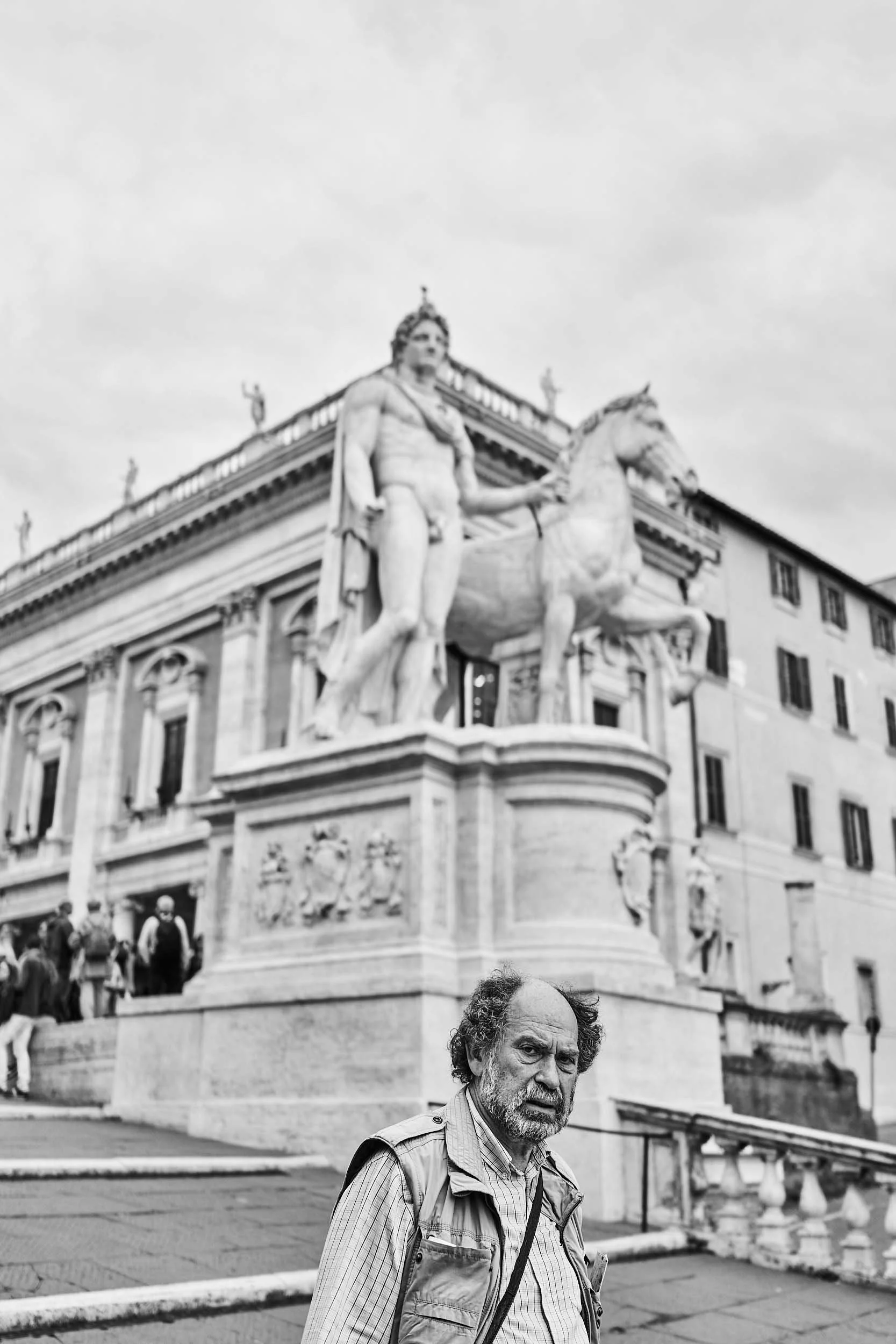






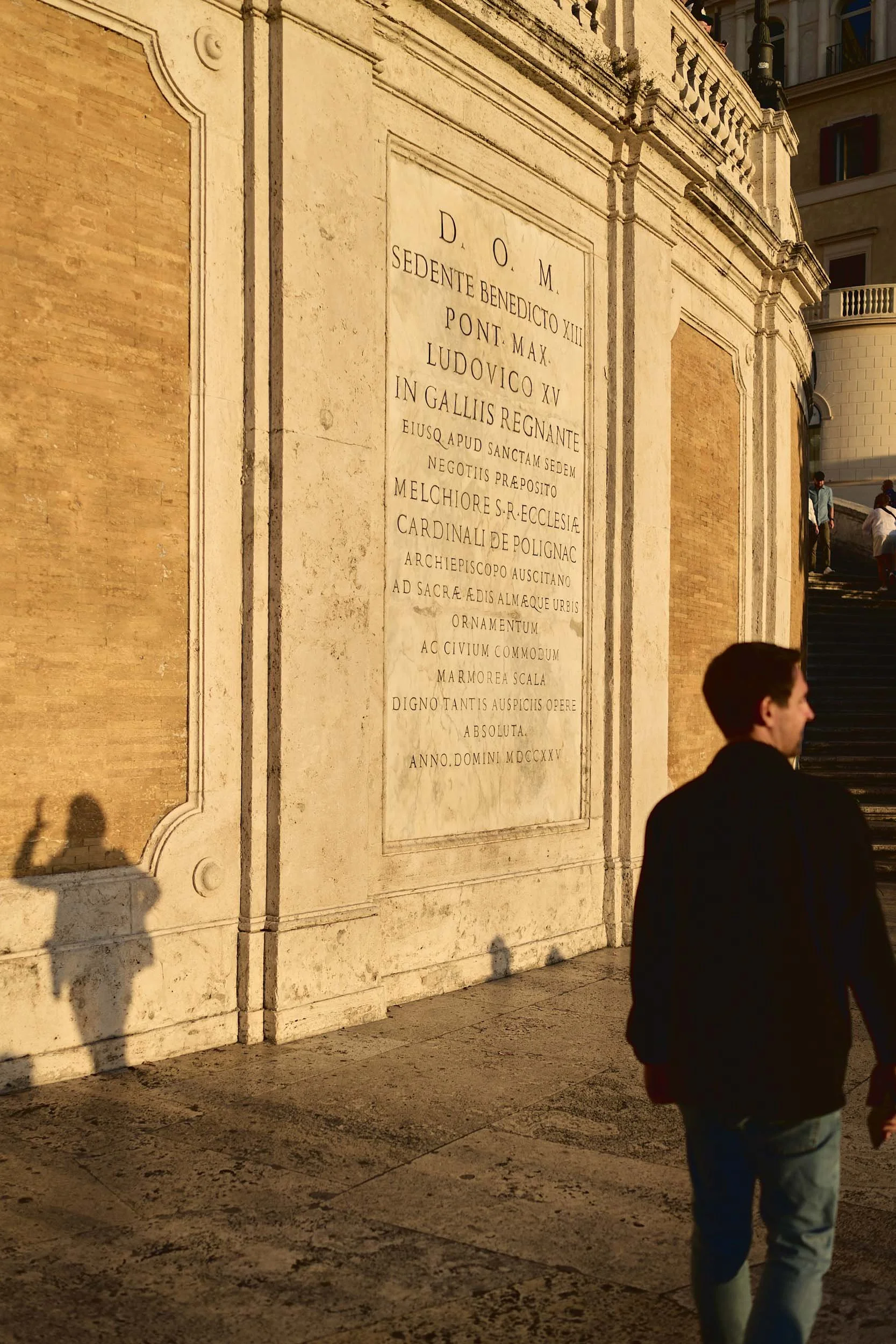

Don’t forget to sign up for our newsletter below.
And now, a quick clarification: How reviews work on unperfect01 and Studio NOVE100
The reviews you find on unperfect01 are the result of years of professional experience and research, not hype or a quest for easy clicks. We’re not interested in “flashy” reviews: we’re interested in SUBSTANCE.
Let’s not make definitive statements about things we don’t fully understand or haven’t truly put to the test. A concrete example: some claims about the alleged “damage” caused by RAW compression on this camera, the RX1R3, are simply technically incorrect. The RX1R3’s lossy RAW compression follows the same philosophy we’ve seen for years on other Sony bodies: any effects only manifest in extreme situations, especially in very deep shadows, certainly not as generalized “damage” to the file. The real novelty here, if anything, is the option to use lossless or uncompressed RAW for those who want to eliminate the issue entirely.
The same kind of technical misunderstanding arises when the 35mm f/2 Zeiss Sonnar is dismissed as if it were “significantly inferior” to the Leica Q3-28’s Summilux. The Q3’s lens is, in practice, a 24–25mm with very pronounced native distortion that is corrected via software to yield a 28mm angle of view. The Zeiss Sonnar, on the other hand, is a 35mm that is already very well corrected optically, even before any software intervention.
Both projects, in terms of their design, are about ten years old. That in itself isn’t a flaw: what matters is how they perform, how they handle the sensor, and how they fit into a real-world workflow. Reducing everything to “old vs. new” or “good vs. bad” might sound entertaining in a video, but it has little to do with how these tools actually work in a photographer’s hands.
It’s not a matter of likes or dislikes: it’s a matter of understanding how the equipment works in the field. And only a photographer can do that.
